A home inspection contingency gives a buyer time to evaluate the condition of a property before fully committing to the purchase. It can help uncover costly repairs, create room for negotiation, or provide a path to walk away if the findings are serious and the contract allows it. Whether you are buying your first home or competing in a fast-moving market, understanding this clause can help you make a calmer, better-informed decision.
What is a home inspection contingency?
A home inspection contingency is a condition in a real estate purchase agreement that makes the sale dependent on the results of a professional home inspection. In plain terms, it gives the buyer a set period to inspect the property and decide whether to move forward, negotiate repairs or credits, or cancel under the terms of the contract.
This protection is sometimes called a house inspection contingency or simply an inspection contingency. The exact wording matters, because the contract will define deadlines, notice requirements, what counts as an acceptable objection, and what remedies are available. Buyers should review the language with their real estate agent and, when needed, a qualified attorney before signing.
A typical home inspection contingency clause does not guarantee that every issue will be fixed. Instead, it creates a process. The buyer has the opportunity to learn more about the property, then respond based on what the inspection reveals and what the seller is willing to do.
How the inspection contingency fits into the buying process
The inspection period usually begins after the seller accepts the buyer’s offer. From there, the buyer schedules a home purchase inspection with a qualified inspector, attends if possible, reviews the report, and decides what to do before the contingency deadline.
The timeline can feel tight, so preparation matters. Buyers should start looking for inspectors as soon as they are serious about making an offer, not after the contract is signed. A delay in scheduling can leave little time to ask questions, get specialist opinions, or negotiate thoughtfully. Organizations such as the American Society of Home Inspectors publish resources for finding a qualified inspector.
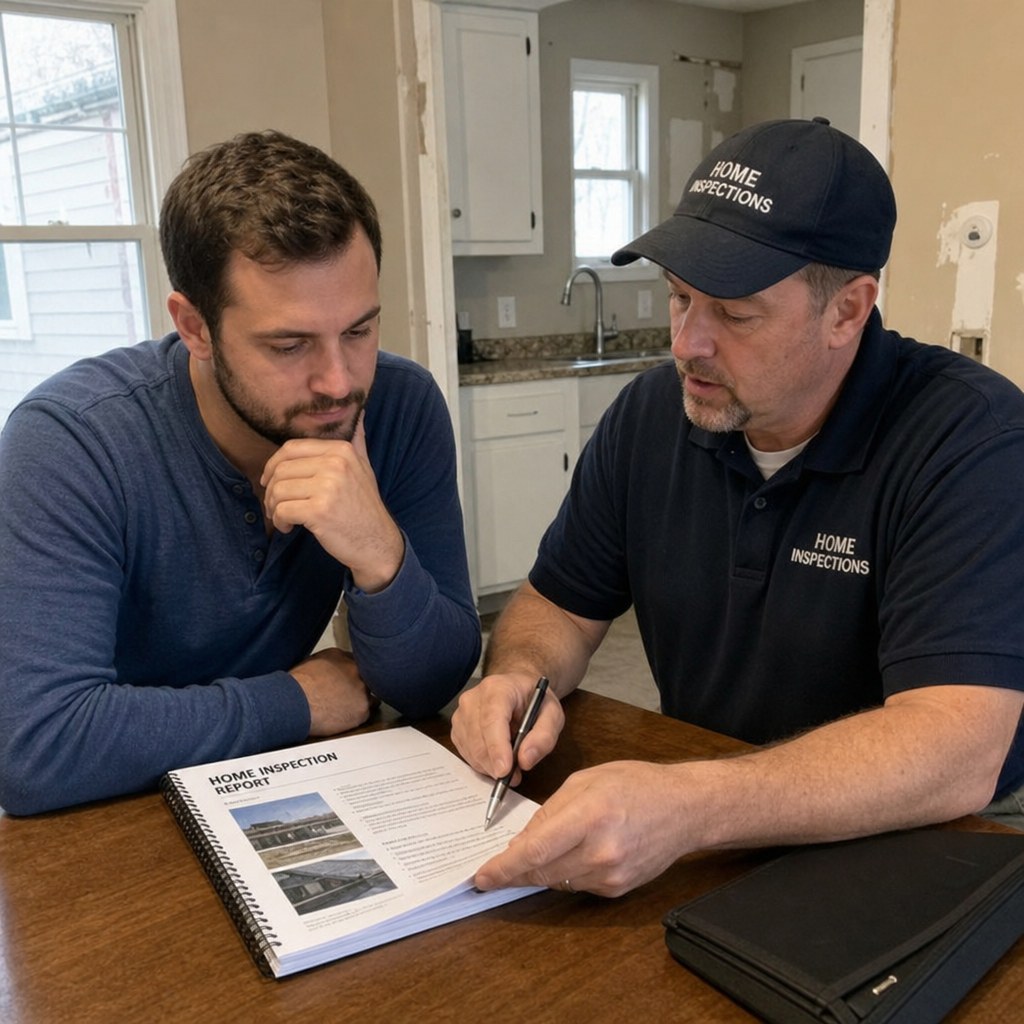
A simple flow often looks like this:
- Offer accepted: The purchase agreement includes an inspection contingency and deadline.
- Inspection scheduled: The buyer hires a professional inspector to evaluate visible and accessible systems and components.
- Report delivered: The inspector summarizes findings, photos, safety concerns, maintenance items, and possible defects.
- Buyer reviews options: The buyer may accept the property as-is, request repairs, ask for a credit, seek further evaluation, or cancel if permitted.
- Seller responds: The seller may agree, counter, refuse, or offer another solution.
- Contingency resolved: The buyer removes the contingency, renegotiates the contract, or exits according to the agreement.
The key is not just having the inspection done. The key is acting within the contract’s deadlines and following the required notice procedures.
What the inspection may reveal
A general home inspection is not a guarantee that every hidden problem will be found. Inspectors usually focus on visible and accessible areas, such as the roof, exterior, foundation, attic, plumbing, electrical, HVAC, appliances, windows, doors, drainage, and interior conditions. Even with those limits, the inspection can reveal important clues about how the home has been maintained.
Some findings are minor. A loose handrail, aging caulk, or a missing outlet cover may be easy to address after closing. Other findings may affect safety, financing, insurance, or the buyer’s budget. These can include active leaks, structural movement, unsafe electrical work, roof damage, drainage problems, mold concerns, pest evidence, or major system failures.
Buyers should avoid treating the report like a wish list for cosmetic upgrades. Instead, focus on issues that affect safety, function, durability, or cost. A strong inspection response is specific, realistic, and tied to the findings in the report.
Issues that often deserve closer attention
- Water intrusion: Stains, dampness, or grading issues can point to larger drainage or moisture problems.
- Roof condition: Missing shingles, flashing concerns, or signs of leaks may require a roofing opinion.
- Electrical safety: Outdated panels, exposed wiring, or improper modifications can be expensive and hazardous.
- Foundation or structural movement: Cracks, sloping floors, and sticking doors may need specialist review.
- HVAC age and function: Older systems may still work but could be near the end of their useful life.
- Plumbing concerns: Leaks, corrosion, low pressure, or old materials can create future repair costs.
Not every concern is a deal breaker. The value of the inspection contingency is that it gives buyers time to separate routine maintenance from risks that may change the purchase decision.
What can buyers do after the inspection?
After the inspection, buyers usually have several possible paths, depending on the contract. They can accept the home as-is, request repairs, ask for a seller credit or price adjustment, request more time for specialist inspections, or cancel the contract if the contingency allows.
The best response depends on the severity of the findings, the local market, the seller’s motivation, and the buyer’s comfort level. In a competitive situation, asking for a long list of minor fixes may weaken the negotiation. In a slower market, sellers may be more willing to address major concerns to keep the deal moving.
When making a request, buyers should be clear and practical. Instead of saying “fix everything in the report,” it is usually better to identify the most important items and explain the preferred solution.
Common negotiation options
- Repairs before closing: The seller agrees to complete specific work before the sale is finalized.
- Seller credit: The buyer receives a credit at closing, subject to lender rules and contract limits.
- Price reduction: The purchase price is lowered to reflect the cost or risk of the issue.
- Further evaluation: A licensed specialist reviews a concern, such as the roof, foundation, sewer line, or electrical panel.
- As-is acceptance: The buyer moves forward without requesting changes.
- Cancellation: The buyer terminates under the inspection contingency if the contract permits it.
Credits and price reductions can be appealing because the buyer may prefer to control the repairs after closing. However, lenders and closing rules may affect how credits are handled, so buyers should confirm what is allowed before relying on that option. The Consumer Financial Protection Bureau offers free guidance on the homebuying and closing process.
The clause language matters
The phrase “home inspection contingency clause” may sound standard, but contracts vary. Some clauses give buyers broad discretion to cancel if they are dissatisfied with the inspection. Others are narrower and may require specific defects, repair thresholds, or written objections within a strict timeframe.
Buyers should pay attention to three parts of the clause: the deadline, the notice requirements, and the available remedies. Missing a deadline can have serious consequences, including losing the right to object or cancel based on inspection findings. Sending the wrong form of notice can also create problems.
A well-understood inspection contingency helps everyone move more efficiently. The buyer knows what decisions must be made, the seller knows how and when the buyer may respond, and both sides have a framework for resolving issues.
Should you waive home inspection contingency?
To waive home inspection contingency protection means the buyer agrees to move forward without making the purchase dependent on a satisfactory inspection. Some buyers consider this in competitive markets because it can make an offer look cleaner to the seller. However, waiving the contingency can shift significant risk to the buyer.
That does not mean every buyer handles this decision the same way. Some may arrange a pre-offer inspection when allowed, limit the contingency instead of removing it, or accept only certain repair thresholds. Others may decide the risk is too high, especially for older homes, homes with visible maintenance concerns, or properties being sold as-is.
Before waiving, buyers should ask themselves whether they could comfortably handle a major repair shortly after closing. If the answer is no, the protection may be worth keeping, even if it makes the offer less aggressive.
Questions to ask before waiving
- Do I have enough cash reserves for unexpected repairs?
- Is the home older, renovated without permits, vacant, or visibly neglected?
- Am I comfortable buying without a full understanding of major systems?
- Can I do a pre-offer inspection or bring a contractor before submitting an offer?
- Would a limited inspection contingency be a better compromise?
- What does my agent or attorney say about the risk in this specific contract?
The decision should be strategic, not emotional. Winning the offer is only helpful if the home remains affordable and manageable after closing.
Practical tips for buyers
A home purchase inspection is most useful when buyers treat it as a decision-making tool, not just a contract step. The goal is to understand the property clearly enough to proceed with confidence or step back before taking on unacceptable risk.
Start by hiring an inspector with relevant experience, clear sample reports, and strong communication skills. If the home has special features, such as a pool, septic system, well, chimney, or older electrical system, ask whether separate specialists are recommended. A general inspector may identify warning signs, but some concerns require deeper evaluation.
If possible, attend the inspection. Walking through the home with the inspector can help you understand maintenance priorities, shutoff locations, system ages, and the difference between urgent repairs and normal upkeep. Afterward, read the full report rather than relying only on the summary.
Buyer checklist
- Confirm the inspection deadline as soon as the offer is accepted.
- Schedule the inspection immediately.
- Ask whether additional inspections are appropriate for the property.
- Attend the inspection if your schedule allows.
- Read the full report and ask follow-up questions.
- Separate major concerns from cosmetic or routine maintenance items.
- Get estimates or specialist opinions for significant issues when time allows.
- Submit any repair requests or cancellation notices exactly as the contract requires.
This checklist can help reduce last-minute stress and prevent rushed decisions. The more organized you are, the more useful the inspection contingency becomes.
Practical tips for sellers
Sellers should also understand how an inspection contingency can affect the transaction. Even if the home is well maintained, an inspection may reveal issues the seller did not know about. Preparing in advance can reduce surprises and make negotiations smoother.
Before listing, sellers may want to fix obvious maintenance items, gather receipts for major repairs, service key systems, and make sure accessible areas are not blocked. Some sellers choose to get a pre-listing inspection so they can address concerns before buyers see them. This is not right for every situation, but it can help create transparency. Our home selling checklist and the post Essential Checklist for Selling Your House cover what to handle before you list.
During negotiations, sellers should evaluate requests carefully. A buyer asking for a safety repair or credit for a major defect may be acting reasonably. A buyer asking for cosmetic upgrades or minor wear-and-tear fixes may be overreaching. The best response is usually based on the contract, market conditions, and the true importance of the issue. Pricing the home realistically from the start also helps; see how to price your home.
The main takeaway
A home inspection contingency is one of the most important protections in many real estate contracts. It gives buyers a defined opportunity to investigate the condition of the property, respond to problems, and make a more informed choice before closing.
For buyers, the priority is to understand the clause, meet every deadline, and focus on meaningful inspection findings. For sellers, the priority is to prepare the home, respond reasonably, and keep the process moving. In either case, the inspection contingency is not just paperwork. It is a practical tool for reducing uncertainty in one of the largest purchases most people make. See where inspections fall in the full home selling timeline.
Selling a Home? Start With a Free Valuation
Know what your home may be worth before inspections and negotiations begin. Get a free home valuation, then see how Sell For Mor works.
Free. No obligation to sell.
Keep reading: signs your house will sell fast and real estate attorney closing costs.
This article is general information, not legal advice. Consult a licensed attorney about your contract. Sell For Mor is powered by Rise Realty, DRE #01957687.