
Selling a house is easier when you treat it like a sequence of clear decisions instead of one overwhelming project. This home sellers checklist walks through preparation, pricing, marketing, offers, inspections, closing, and move-out planning so you know what to handle before each stage. Use it as a practical home selling process checklist, then adapt it to your local market, property condition, and timeline.
What do I need to sell my house?
To sell your house, you need a market-ready property, accurate pricing, required documents, a plan for marketing and showings, and a clear understanding of your financial outcome after selling costs. You do not need every room to be perfect, but you do need to remove obvious objections, organize paperwork, and make it easy for buyers to imagine moving in. If you have been asking, “what do I need to sell my house?” start with the basics below before you worry about final staging details.
A strong seller checklist begins with three priorities: make the home presentable, prove what you can about its condition and ownership, and decide how you will manage the sale. That may mean hiring a real estate agent, selling by owner, or exploring another selling option depending on your goals. The right path depends on how quickly you need to sell, how much work the home needs, and how comfortable you are with pricing, negotiation, contracts, and deadlines.
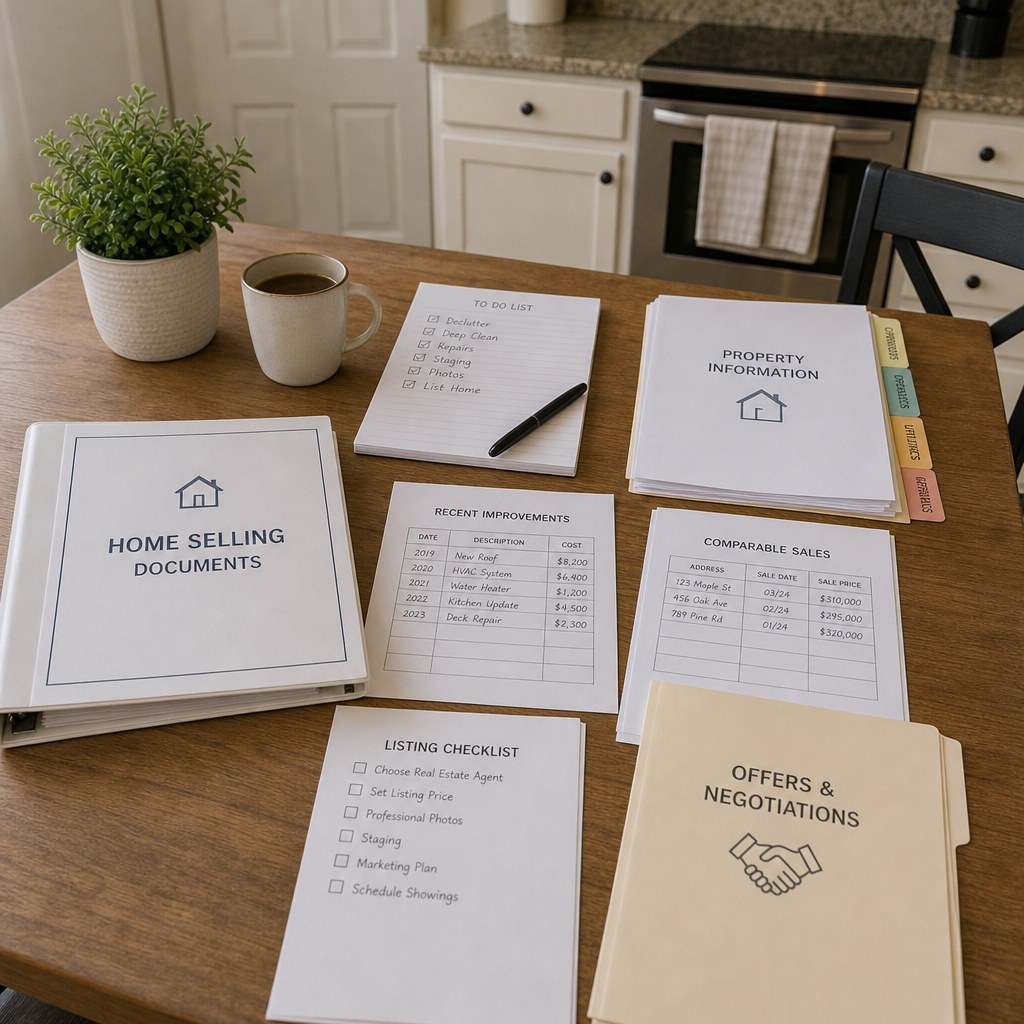
Before listing, gather:
- Government-issued identification for owners involved in the sale
- Mortgage payoff information, if you still have a loan
- Deed or title documents, if available
- Property tax records and utility information
- HOA documents, rules, fees, and transfer details, if applicable
- Permits, warranties, receipts, and manuals for major repairs or systems
- Seller disclosure forms required in your area
- A list of known issues, repairs, upgrades, and included fixtures
Local requirements vary, especially around disclosures, attorney review, transfer taxes, and closing procedures. When in doubt, ask your real estate agent, title company, closing professional, or real estate attorney what applies where you live. For California specifics, see our guide on how to sell a house in California and our full home selling checklist.
Preparing the home before you list
Preparation is where many sellers gain confidence because the work is visible and practical. The goal is not to remodel the entire property; it is to help buyers see a clean, cared-for home with fewer reasons to hesitate. Focus on repairs, presentation, and access.
Start with maintenance items that could raise concerns during a showing or inspection. Leaky faucets, slow drains, loose railings, damaged screens, broken light fixtures, stained ceilings, and doors that do not close properly can make buyers wonder what else has been neglected. Larger systems such as plumbing, HVAC, electrical, roofing, and foundation concerns deserve careful attention because they can affect negotiations later. A pre-listing inspection can show you what a buyer’s inspector is likely to find.
Cosmetic updates should be strategic. Neutral paint, clean floors, bright lighting, and tidy landscaping often make a stronger impression than highly personalized upgrades. If your budget is limited, spend first on cleaning, decluttering, minor repairs, and curb appeal before taking on expensive improvements that may not return their full cost.
A practical pre-listing checklist
Use this checklist when selling your home to decide what to handle before photos and showings:
- Walk through like a buyer. Start at the curb, enter through the main door, and note anything that looks worn, dark, dirty, broken, or distracting.
- Declutter each room. Remove excess furniture, crowded shelves, countertop items, and storage overflow so rooms feel larger.
- Depersonalize gently. Pack away highly personal photos, collections, and bold decor that may distract buyers from the space.
- Deep clean thoroughly. Pay special attention to kitchens, bathrooms, windows, baseboards, appliances, closets, and odors.
- Make small repairs. Fix loose handles, squeaky doors, chipped paint, damaged trim, missing caulk, and burned-out bulbs.
- Improve curb appeal. Mow, trim, sweep, wash the entry, refresh planters, and make the front door feel welcoming.
- Stage key areas. Focus on the living room, kitchen, primary bedroom, bathrooms, and outdoor spaces buyers are likely to remember.
- Plan for pets and valuables. Secure medications, jewelry, financial documents, and pet supplies before showings begin.
Professional staging, rented furniture, or simple rearranging can all help depending on the home. The best choice is the one that makes the property look clean, functional, and easy to understand in photos and in person. Our guide to home staging covers where to spend first.
What do I need to sell my home for the right price?
To sell your home for the right price, you need a realistic view of comparable sales, current competition, property condition, buyer demand, and your own timing needs. Pricing is not just about what you want to net; it is about where your home fits in the market buyers are already comparing. If you are wondering, “what do I need to sell my home without leaving money behind?” the answer starts with a pricing strategy based on evidence, not emotion.
A Comparative Market Analysis, often called a CMA, can help estimate value by reviewing similar homes that recently sold, are currently listed, or went under contract. The most useful comparisons are usually nearby properties with similar size, age, condition, features, and location. Active listings show your competition, while sold listings show what buyers have actually been willing to pay.
Overpricing can cause a listing to sit, lose early momentum, and invite lower offers later. Underpricing may create interest, but it can also reduce your proceeds if it is not part of a deliberate strategy. The best price balances exposure, buyer psychology, negotiation room, and your desired timeline. Start with a free home valuation.
Decide who will help you sell
Choosing the right selling approach is part of pricing and strategy. Many sellers work with a real estate agent because they want help with market analysis, listing preparation, professional marketing, showings, negotiations, paperwork, and closing coordination. If you interview agents, compare more than personality; ask about local experience, recent listings, marketing plans, communication style, fees, and how they handle difficult inspection or appraisal issues. See how to choose a listing agent.
Selling by owner may appeal to sellers who want more control or hope to reduce commission costs. However, it also means you are responsible for pricing, marketing, buyer communication, contract details, deadlines, negotiations, and compliance. Compare the trade-offs in FSBO vs. a listing agent. Whichever route you choose, make sure you understand the work involved before the listing goes live.
Marketing turns preparation into buyer interest
Once the home is clean, repaired, priced, and documented, marketing gives buyers a reason to schedule a showing. Strong marketing does not hide flaws; it presents the home clearly, attractively, and honestly so qualified buyers can decide whether it fits their needs. Photos, description, access, and timing all matter.
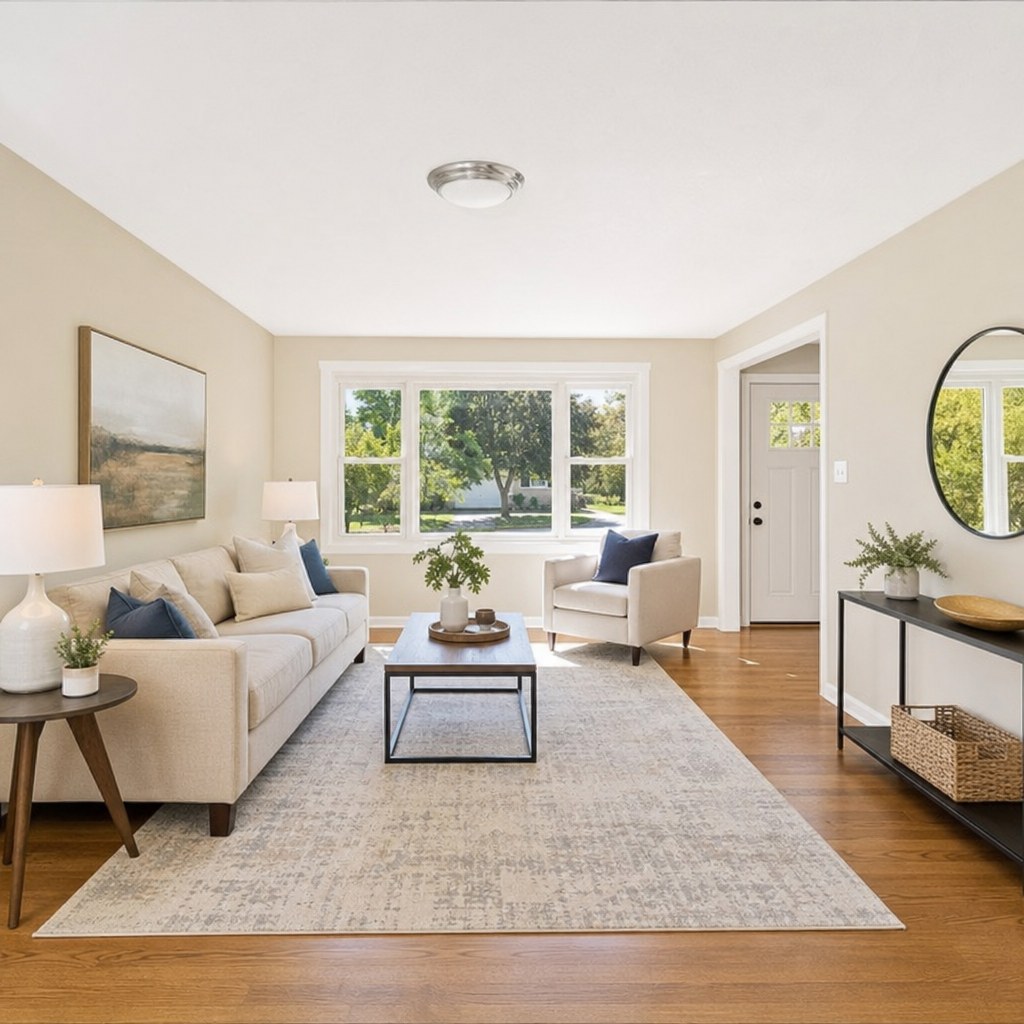
High-quality photography is one of the most important listing assets because many buyers decide whether to visit based on the first few images. Good photos should show bright rooms, natural flow, key features, exterior spaces, and storage where relevant. Virtual tours, floor plans, video, and social media promotion can also help buyers understand the property before they arrive.
The listing description should highlight real benefits without exaggeration. Instead of simply naming rooms, explain what makes the home livable: flexible workspace, updated systems, a practical kitchen layout, outdoor entertaining space, nearby conveniences, or storage. Avoid claims you cannot support, and be careful with wording that may conflict with housing rules or local advertising standards.
Managing showings without losing your routine
Showings are easier when you create a repeatable routine. Buyers need access, but you also need your life to function while the home is on the market. A simple daily plan can reduce stress and help the property stay ready.
Keep a basket or bin for last-minute clutter, wipe counters each morning, open blinds before leaving, and create a plan for pets during showings. If you work from home or have children, discuss showing windows in advance so your schedule is not constantly disrupted. The easier it is for serious buyers to see the home, the fewer opportunities you may miss.
Be prepared for feedback that feels personal. Buyers may comment on paint colors, layout, furniture, or repair needs, but their reactions are market information, not a judgment of your life in the home. Look for patterns in feedback rather than reacting to one opinion. If showings are not turning into offers, read why your house is not selling.
Offers, negotiations, and inspections
An offer is more than the purchase price. A strong offer may include favorable financing terms, a realistic closing date, limited contingencies, solid earnest money, and a buyer who appears prepared to complete the purchase. A higher price is attractive, but the full package matters.
When reviewing offers, consider:
- Purchase price and expected net proceeds
- Financing type and down payment strength
- Inspection, appraisal, sale-of-home, or financing contingencies
- Requested seller credits, repairs, or included personal property
- Closing date and possession terms
- Earnest money amount and deadline structure
- Any unusual conditions or requests
After accepting an offer, the buyer may schedule inspections. Inspection results can lead to repair requests, credits, price adjustments, or further negotiation. Stay flexible, but do not agree automatically to every request. Focus on safety concerns, system issues, lender-required repairs, and items likely to affect the deal.
Appraisal can also become important if the buyer is using financing. If the appraisal comes in lower than the contract price, the parties may need to renegotiate, challenge the valuation, adjust terms, or explore other options. This is one reason accurate pricing at the beginning matters.
Financial planning protects your next move
Selling a home can create proceeds, but it also comes with costs. Before you list, estimate your likely net amount so you know what you can use for your next purchase, move, debt payoff, or savings. This step is especially important if you are selling and buying at the same time.
Common seller costs may include agent commissions, repairs, staging, cleaning, landscaping, mortgage payoff, prorated taxes or HOA dues, title or escrow fees, transfer-related fees, attorney fees where applicable, and moving expenses. Some buyers may also ask for closing cost credits or repair concessions. Costs vary widely, so request an estimated seller net sheet rather than relying on guesses. Our seller net proceeds calculator and guide to the cost to sell a house in California are good places to start.
Build a cushion for surprises. Even a well-maintained home can produce unexpected inspection items, delayed timelines, or moving costs. A little financial breathing room can help you make calmer decisions when negotiations get tense.
Closing and move-out details
Closing is the final stretch, but it still requires attention. You may need to complete agreed repairs, provide receipts, sign documents, schedule final utility readings, coordinate keys, and prepare for the buyer’s final walk-through. Review all closing documents carefully and ask questions before signing anything you do not understand. Our post on real estate attorney closing costs explains one cost sellers often overlook.
Your move-out plan should be tied to the contract, not just your preferred date. Confirm when possession transfers, what items stay, what must be removed, and how clean the property must be. Leave manuals, warranties, garage door openers, keys, access codes, and helpful notes in an organized place if appropriate.
Final home selling process checklist
Before you hand over the keys, confirm that you have:
- Completed agreed repairs and kept receipts
- Removed personal belongings not included in the sale
- Cleaned the property according to the contract terms
- Canceled or transferred utilities, insurance, and services at the right time
- Updated your mailing address and subscriptions
- Gathered keys, remotes, access cards, and codes
- Reviewed settlement figures and closing costs
- Saved copies of signed documents for your records
The takeaway for a smoother sale
A useful home sellers checklist helps you move from uncertainty to action. Prepare the property, organize documents, price with market evidence, market the home professionally, review offers carefully, and stay engaged through inspection and closing. When each step is handled in order, the process feels less chaotic and your decisions become clearer.
If you are still asking what belongs on your checklist when selling your home, start with the items that reduce buyer doubt: clean presentation, honest disclosures, realistic pricing, and responsive communication. Those basics do not guarantee a perfect sale, but they give you a stronger foundation from listing day to closing day.
Ready to Start Your Sale?
Get a free home valuation to set your price with market evidence, then see how Sell For Mor works: four specialists focused on marketing, pricing, selling, and negotiating.
Free. No obligation to sell.
Keep reading: signs your house will sell fast and what a quick sale means.
This article is general information, not legal advice. Sell For Mor is powered by Rise Realty, DRE #01957687.