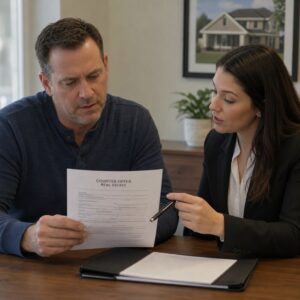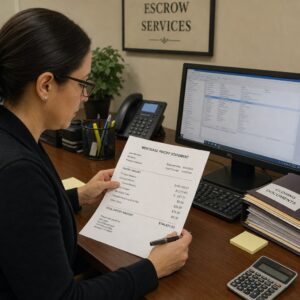

For California home sellers and buyers, escrow is the structured period between an accepted offer and the official transfer of ownership. The typical escrow period in California is 30 to 45 days, although the exact escrow duration depends on the contract, financing, inspections, title work, and how quickly each party completes required steps. Some transactions move faster: a cash transaction or intentionally fast escrow can close in about 15 days when documents, funds, title, and property condition are all straightforward.
How long does escrow take in California?
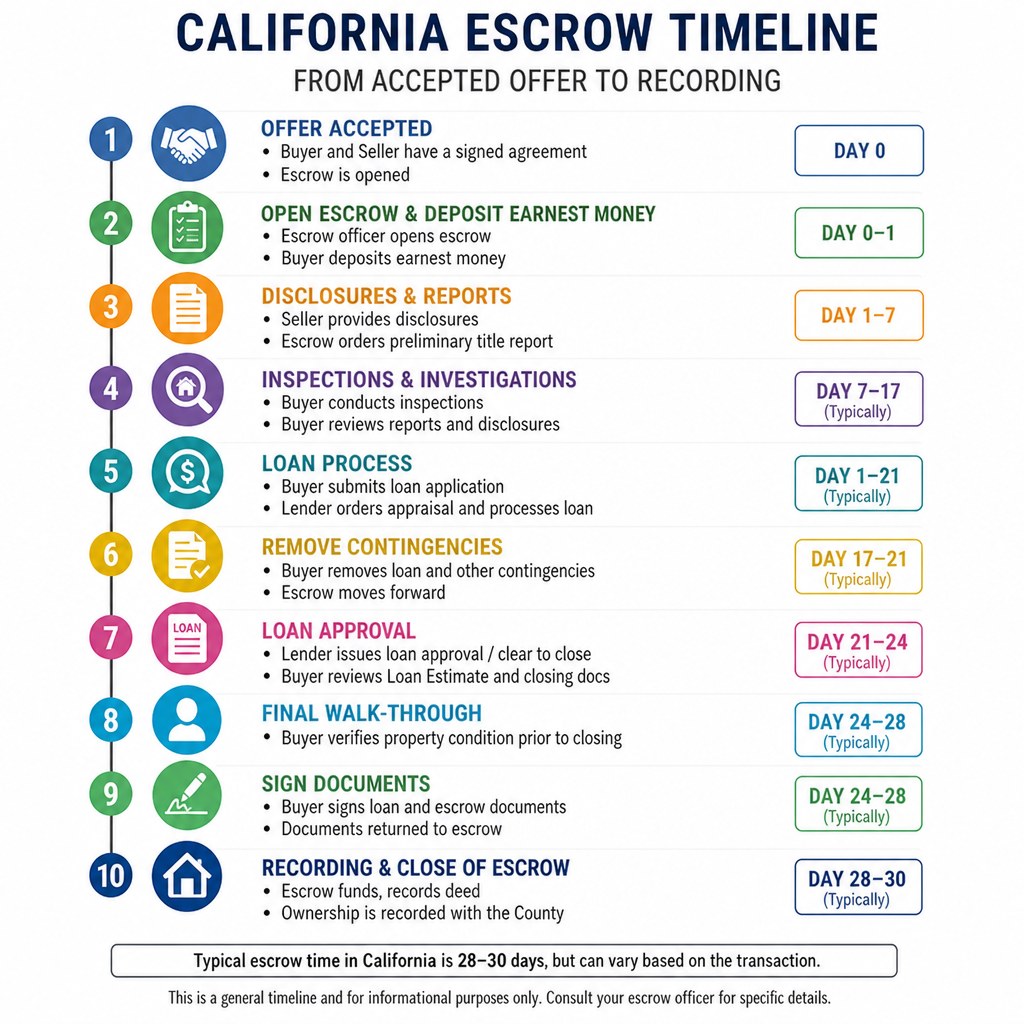
In most California home escrow transactions, the standard escrow time frame is 30 to 45 days from the date escrow opens to the date the sale records with the county. That range gives the buyer time to inspect the property, complete loan underwriting, review disclosures, remove contingencies, sign closing documents, and fund the purchase. It also gives the seller time to provide required documents, negotiate any repair issues, clear title matters, and prepare for closing. For the full picture from listing to keys, see our home selling timeline and how long it takes to sell a house.
A shorter escrow period in California may be possible when the buyer is paying cash, the property has a clean title history, inspections are limited or completed quickly, and both sides respond promptly. A longer California escrow timeline is common when the buyer needs financing, the appraisal comes in late or low, repairs are negotiated, or title issues must be resolved before closing.
When does escrow start?
Escrow usually starts after the buyer and seller have signed the purchase agreement and the escrow holder receives instructions to open the file. In practical terms, this is when the neutral escrow holder begins collecting documents, tracking deadlines, coordinating funds, and preparing for closing. The contract controls the official timeline, so both parties should review the accepted offer carefully. The California Department of Real Estate publishes consumer information on how licensed professionals handle these transactions.
For buyers, this is the point when deadlines become active. The earnest money deposit, inspection contingency period, appraisal timing, loan contingency, and document review periods may all be tied to the opening of escrow or to the date of contract acceptance. For sellers, escrow opening means it is time to provide disclosures, cooperate with access for inspections and appraisal, and respond quickly to title or document requests.
The typical California escrow process, step by step
Although every transaction is different, most California escrows follow a familiar sequence. Understanding these milestones helps sellers and buyers see why the average escrow duration in California is usually measured in weeks rather than days. The Consumer Financial Protection Bureau also explains the closing stage from the buyer’s side.
1. Escrow opening
Escrow opening creates the transaction file and gives the escrow holder authority to follow the written purchase agreement. The escrow holder is not there to represent either side; the role is to coordinate instructions, documents, funds, and closing requirements. This early stage sets the pace for the rest of the transaction because contact information, lender details, contract terms, and deadlines must be accurate from the beginning.
2. Earnest money deposit
The buyer usually submits an earnest money deposit after escrow opens, based on the timing in the contract. This deposit shows the buyer’s good-faith intent to move forward and is held according to the escrow instructions. If the transaction closes, the deposit is generally credited toward the buyer’s purchase funds; if the transaction is canceled, the contract and any applicable contingencies determine what happens next.
3. Inspection contingency
The inspection contingency gives the buyer time to evaluate the property’s condition. Buyers may order general home inspections and, when appropriate, specialized inspections for items such as roof, sewer, foundation, pest, or systems. Sellers should expect access requests during this stage and should respond quickly, because delayed inspections can push back negotiations and contingency removal. Read more in our guide to the home inspection contingency.
4. Appraisal
If the buyer is using a loan, the lender usually orders an appraisal to assess whether the property supports the loan amount. The appraisal is important because the lender relies on it when deciding how much to lend. If the appraised value is lower than the contract price, the buyer and seller may need to renegotiate, the buyer may need to bring in more funds, or the transaction may face a serious delay.
5. Loan approval
Loan approval is often the longest and most sensitive part of the California escrow process. The buyer’s lender reviews income, credit, assets, property details, appraisal results, insurance, and other underwriting conditions. Even a well-qualified buyer may need to provide updated documents, answer lender questions, or satisfy final conditions before the loan can fund.
6. Title review and title clearance
Title work confirms who owns the property and identifies recorded items that may affect ownership, such as liens, easements, judgments, or unpaid obligations. A clean title path is essential because the buyer needs to receive ownership that can be properly insured and recorded. If title issues appear, escrow, the title team, the seller, and sometimes other parties must resolve them before closing. See selling a house with a lien in California.
7. Signing closing documents
Near the end of escrow, the buyer and seller sign required closing documents. Buyers using a loan typically sign lender documents, disclosures, escrow documents, and transfer-related paperwork. Sellers sign documents needed to transfer ownership, confirm payoff details, and complete the closing file.
8. Funding and recording
After signing, the lender funds the loan if financing is involved, and the buyer’s remaining funds must be received by escrow. Once funds are in place and all conditions are satisfied, the deed is sent for recording with the county. Recording is the milestone that makes the ownership transfer official and marks the close of escrow.
A realistic escrow timeline
A typical 30 to 45 day escrow does not mean every task takes the same amount of time. Many steps overlap, and delays in one area can affect the rest of the closing schedule.
- Days 1 to 3: Escrow opens, the earnest money deposit is submitted, and the parties begin delivering documents.
- Days 3 to 17: Inspections, disclosure review, repair discussions, and early lender processing often take place.
- Days 10 to 25: The appraisal is ordered, completed, reviewed, and addressed if questions arise.
- Days 15 to 35: Loan underwriting, title review, insurance, payoff demands, and remaining conditions are handled.
- Final week: Closing documents are prepared, signing appointments occur, buyer funds are deposited, the loan funds, and the deed records.
Cash or fast escrows can compress these steps, sometimes to about 15 days, because there may be no lender underwriting or loan funding process. Even then, title review, disclosures, inspections, signing, funds, and recording still need to happen correctly.
What can delay closing?
Escrow delays usually happen when a required condition cannot be satisfied on time. Some delays are small and can be fixed with quick communication; others may require contract extensions, renegotiation, or cancellation. The most common issues involve appraisal, financing, title, liens, and repairs.
Appraisal issues
An appraisal can delay escrow if the appraiser cannot access the property, the report takes longer than expected, or the value comes in below the contract price. A low appraisal may create a gap between the purchase price and the lender’s approved loan amount. The parties may need to renegotiate price, adjust loan terms, or decide whether the buyer can cover the difference.
Financing problems
Financing delays can occur when underwriting requests additional documents, the buyer’s financial situation changes, lender conditions remain unresolved, or the loan package is not ready to fund. Because loan approval affects the closing date directly, buyers should avoid major financial changes during escrow. Sellers should also monitor financing contingency dates and stay in contact through the proper transaction channels.
Title issues and liens
Title issues can include ownership discrepancies, unreleased old loans, recording errors, easements, judgments, or liens. Liens are especially important because they may need to be paid, released, or otherwise resolved before the buyer can receive clear title. Sellers who know about possible title problems should address them early rather than waiting until the final week of escrow.
Required repairs
Repairs can delay closing when inspections reveal problems that the buyer wants corrected, the lender requires work before funding, or contractors cannot complete repairs quickly. Even small repairs can slow the timeline if access, invoices, reinspection, or proof of completion is required. Clear written agreements help prevent confusion about who will do the work, when it must be finished, and whether credits or repairs are allowed under the buyer’s loan.
Want to know your timeline and net proceeds before you list?
Get a free home value estimate and a clear view of what you could net after costs. No obligation.
Free. No obligation to sell.
How sellers can keep escrow on track
Sellers have a major influence on how smoothly escrow moves. While they cannot control every lender, buyer, or county recording issue, they can reduce preventable delays by preparing early and responding quickly.
- Complete disclosures promptly. Delayed disclosures can slow buyer review periods and create last-minute questions.
- Provide access for inspections and appraisal. Make scheduling easy so the buyer and lender can complete time-sensitive steps.
- Address known title concerns early. If there may be liens, old loans, ownership questions, or unpaid obligations, raise them before they become closing emergencies.
- Keep utilities on when needed. Inspectors and appraisers may need working utilities to evaluate the home properly.
- Respond quickly to escrow requests. Payoff information, identification, trust documents, entity paperwork, and signatures can all affect timing.
- Be realistic about repairs. If repairs are negotiated, confirm who is responsible, use clear deadlines, and keep records or receipts.
- Avoid last-minute changes. Changes to move-out timing, credits, fixtures, or contract terms can require new paperwork and extra review.
For sellers, the best strategy is to treat escrow like an active process, not a waiting period. The sooner documents, access, and answers are provided, the less likely the closing date is to slip. Seller costs paid through escrow are covered in our guides to who pays closing costs in California and seller closing costs.
What buyers can do to avoid escrow delays
Buyers can also help protect the escrow timeline by staying organized from the moment the offer is accepted. A buyer using financing should respond quickly to lender requests and avoid new debt, large unexplained deposits, job changes, or major purchases before closing. Even when the loan appears on track, underwriting can ask for updated information near the end of escrow.
Buyers should also schedule inspections early, review disclosures carefully, and raise concerns within the contingency periods. Waiting too long to ask questions can create pressure on all parties and may require an extension. If the buyer is pursuing a fast escrow, preparation matters even more because there is less room for missed signatures, delayed funds, or unresolved property questions.
The closing date depends on coordination
So, how long is escrow in California? For most financed residential transactions, the practical answer is 30 to 45 days. For simpler cash or fast escrow transactions, closing in about 15 days may be possible, but only when the title, documents, inspections, funds, and signatures are ready without major complications.
The best California escrow timeline is one where everyone understands the deadlines before problems appear. Sellers should prepare disclosures, title information, access, and repair responses early. Buyers should stay close to their lender, complete inspections promptly, and keep funds ready. When both sides treat the escrow period as a coordinated checklist, closing is more likely to happen on time and with fewer surprises.
Keep reading: Home selling timeline · Who pays closing costs in California · Home inspection contingency · How selling with Sell For Mor works
This article is general information, not legal advice. Timelines vary by contract and transaction. Sell For Mor is powered by Rise Realty, DRE #01957687.