A mortgage grace period is the short window after your official due date when you can often make your monthly payment before a late fee is charged. It can be a helpful cushion, but it is not a permission slip to ignore the due date, and it does not always stop your loan from being considered delinquent for servicing purposes. This guide explains when a late mortgage payment may trigger fees, credit damage, collection contact, or foreclosure risk, with one important reminder: your own mortgage note controls the exact terms.
This information is general education only. It is not legal advice, it provides no guarantees, and timelines can vary based on your loan documents, servicer practices, investor rules, and state law.
What is a mortgage grace period?
A mortgage grace period is the number of days after your payment due date when your servicer may accept the payment without charging a late fee. Many mortgage grace periods commonly last 10 to 15 days, especially when payments are due on the first day of the month and the late fee is assessed after the middle of the month. Still, the only reliable answer is in your mortgage note, payment statement, or online account terms, because the exact grace period to pay mortgage installments can differ by loan.
This is where many homeowners get tripped up. Your payment may be due on the first, but you may not owe a late fee until after the grace period ends. For some servicing rules, however, delinquency can begin when the full scheduled payment is due and unpaid, even if a courtesy period exists before fees are charged. (consumerfinance.gov)
In plain English: the grace period may protect you from a fee, but it should not be treated as a new due date. If your budget relies on paying during the grace period every month, one delayed deposit, bank issue, or holiday processing problem can push you past the safe window.
When is a mortgage payment considered late?
A mortgage payment is generally considered late when the due date passes and the full required payment has not been received, but the consequences depend on how late it is. During the mortgage grace period, you may avoid a late fee; after the grace period, a late fee may apply; once the payment reaches about 30 days past due, it may be reported as late to credit reporting agencies. That is why the answer to “when is a mortgage payment considered late?” depends on whether you mean late for your contract, late for fees, late for credit, or late enough to create foreclosure risk.
Here is a practical way to think about the stages:
| Timing | What it may mean |
|---|---|
| Due date passes | Payment may be delinquent under servicing definitions if not paid in full |
| Within grace period | Often no late fee, but you are still cutting it close |
| After grace period | A late fee may be charged according to your loan documents |
| Around 30 days late | The late mortgage payment may appear on your credit report |
| Multiple missed payments | Collection efforts and loss mitigation discussions become more likely |
| More than 120 days behind | In many cases, the first foreclosure filing generally may be made |
The phrase “when is mortgage considered late” is often used casually, but the better question is: late for what consequence? A payment can be late enough to violate the due date, not late enough for a fee, and not yet late enough for credit reporting all at the same time.
Late fees usually come before credit damage
For many homeowners, the first financial consequence of missing the grace period is a late fee. Your periodic mortgage statement should show key payment information, including the late fee amount and the date by which payment must be made to avoid that fee. (consumerfinance.gov)
A late fee may feel small compared with the monthly payment, but it can start a frustrating cycle. If you pay only the regular payment after a fee is assessed, your account may still show a shortage unless the fee is also handled according to your servicer’s instructions. That is why it is smart to confirm the exact amount due to bring current rather than guessing.
If you realize you are going to miss the grace period, take action before the account reaches 30 days past due:
- Check your mortgage note and latest statement. Confirm the due date, late fee date, fee amount, and payment posting rules.
- Pay electronically if available. Mailing a check near the end of the grace period can create avoidable timing risk.
- Save proof of payment. Keep confirmation numbers, screenshots, bank records, or receipts.
- Call your servicer if the payment may not post on time. Ask how payments are credited and whether any fee has already been assessed.
- Ask for the reinstatement amount if you are behind. Do not assume one regular monthly payment will cure everything.
Small timing details matter. A payment submitted at night, on a weekend, through a third-party bill-pay service, or by mail may not post the way you expect.
Credit reporting starts after a more serious delay
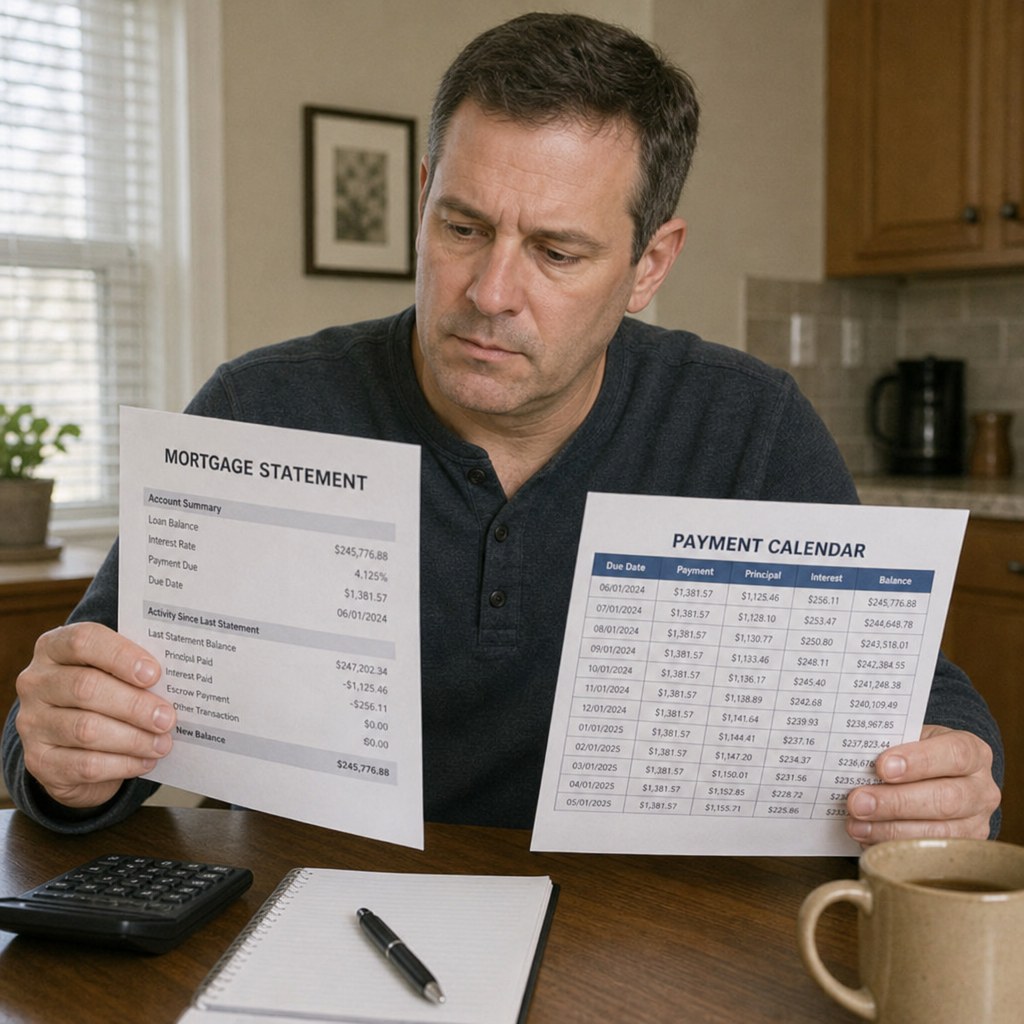
A payment made a few days after the due date is stressful, but it usually becomes a credit issue only when the payment is late enough to be reported. Homeowner guidance notes that once a mortgage loan is 30 days past due, it may be reported to credit reporting agencies, and a single missed or late payment on a credit report can reduce a credit score. (consumerfinance.gov)
Late payments can also remain visible for a long time. Negative payment history is generally reportable for up to seven years, though the effect on a score may change over time. (consumerfinance.gov)
That makes the period between the end of the grace period and the 30-day mark especially important. If you can bring the account current before it is reported as 30 days late, you may avoid the most damaging credit consequence. If you believe a payment was credited incorrectly, document the issue quickly and use the servicer’s written error-resolution process.
How many missed payments before foreclosure?
There is no single universal answer to how many missed payments before foreclosure because state law, loan type, documents, and servicing rules all affect the timeline. As a general federal servicing rule, a servicer usually cannot make the first notice or filing for foreclosure until the borrower is more than 120 days behind, but that does not mean you should wait four months to respond. (consumerfinance.gov)
Foreclosure is not usually the first step after a late mortgage payment. Before that, you may receive calls, letters, delinquency notices, and information about possible options to avoid foreclosure. Government housing guidance describes a typical pattern where contact begins after the first missed payment, becomes more serious after the second, and may include a demand or acceleration notice after the third missed payment, while emphasizing that timelines vary by state. (hud.gov) In California, the formal steps are covered in our guide to how to stop a foreclosure sale in California.
The key takeaway is simple: waiting is risky. The earlier you communicate, the more time you may have to understand options, gather documents, and prevent fees from compounding.
Communication can protect your options
If you are still inside the grace period, make the payment as soon as possible. If you are past the grace period but not yet 30 days late, focus on getting current quickly and confirming whether a late fee is owed. If you are already 30, 60, or 90 days late, the priority shifts to communication, documentation, and a realistic plan. Review the alternatives to foreclosure and the loan modification guide so you know what to ask for.
Useful questions to ask your servicer include:
- What is the exact amount needed to bring the loan current? Ask whether the figure includes late fees, escrow shortages, inspection fees, or other charges.
- What date will my payment be credited? This matters if you are close to a credit reporting or foreclosure-related milestone.
- Are there temporary hardship options? Depending on the situation, options may include repayment plans, forbearance, or loan modification review.
- What documents do you need from me? Incomplete paperwork can delay review.
- Will any foreclosure activity continue while my request is being reviewed? Get clear answers in writing when possible.
You can also speak with a HUD-approved housing counselor if you need help understanding your options. Be cautious of anyone promising guaranteed results, instant credit repair, or a guaranteed foreclosure stop. This article also offers no guarantees; outcomes depend on your facts, timing, documents, and applicable law.
A practical plan for avoiding repeat late payments
One late payment can happen because of a short-term cash crunch, a job change, a medical bill, or a simple scheduling mistake. Repeated late payments usually signal that the payment system needs to be rebuilt, not just patched.
Try these steps:
- Move the mortgage earlier in your budget. Treat it as the first major bill after income arrives, not the last bill before the grace period expires.
- Create a mini buffer. Even a small separate reserve for housing costs can prevent a banking delay from becoming a late fee.
- Use reminders before the due date, not after it. Set alerts five days before the due date and again two days before.
- Review escrow changes. If the payment increased because of taxes or insurance, adjust the budget instead of hoping next month will be easier.
- Avoid depending on the full grace period. A grace period is a backup, not a payment strategy.
- Confirm autopay settings. Make sure the correct account, draft date, and payment amount are active after any payment change.
If your income is unpredictable, consider aligning payment timing with your most reliable pay period. The goal is to make the official due date manageable so the grace period remains available for emergencies.
Is the payment no longer manageable?
If the mortgage has become hard to carry, a free home value estimate shows whether selling could be a realistic option. No obligation.
Free. No obligation to sell.
The bottom line on grace periods and late payments
A mortgage grace period commonly gives homeowners 10 to 15 days after the due date before a late fee is charged, but your mortgage note is the final source for your exact terms. Once the grace period ends, fees may begin; once the payment is around 30 days past due, credit damage becomes a much bigger concern; and after multiple missed payments, foreclosure risk becomes more serious.
If you are late now, do not guess and do not wait for the next notice. Check your documents, confirm the amount needed to bring the loan current, contact your servicer, and get qualified guidance if foreclosure may be possible. The sooner you act, the more room you usually have to solve the problem before fees, credit damage, or legal deadlines narrow your options. If you are weighing a sale, read about selling a house with a mortgage.
Keep reading: How to stop a foreclosure sale · Alternatives to foreclosure · Loan modification in California · How selling with Sell For Mor works
This article is general information, not legal advice. Outcomes depend on your lender, loan type, and circumstances. Sell For Mor is powered by Rise Realty, DRE #01957687.